7 Essential Masonic Membership Requirements You Should Know
July 25, 2026 · Membership
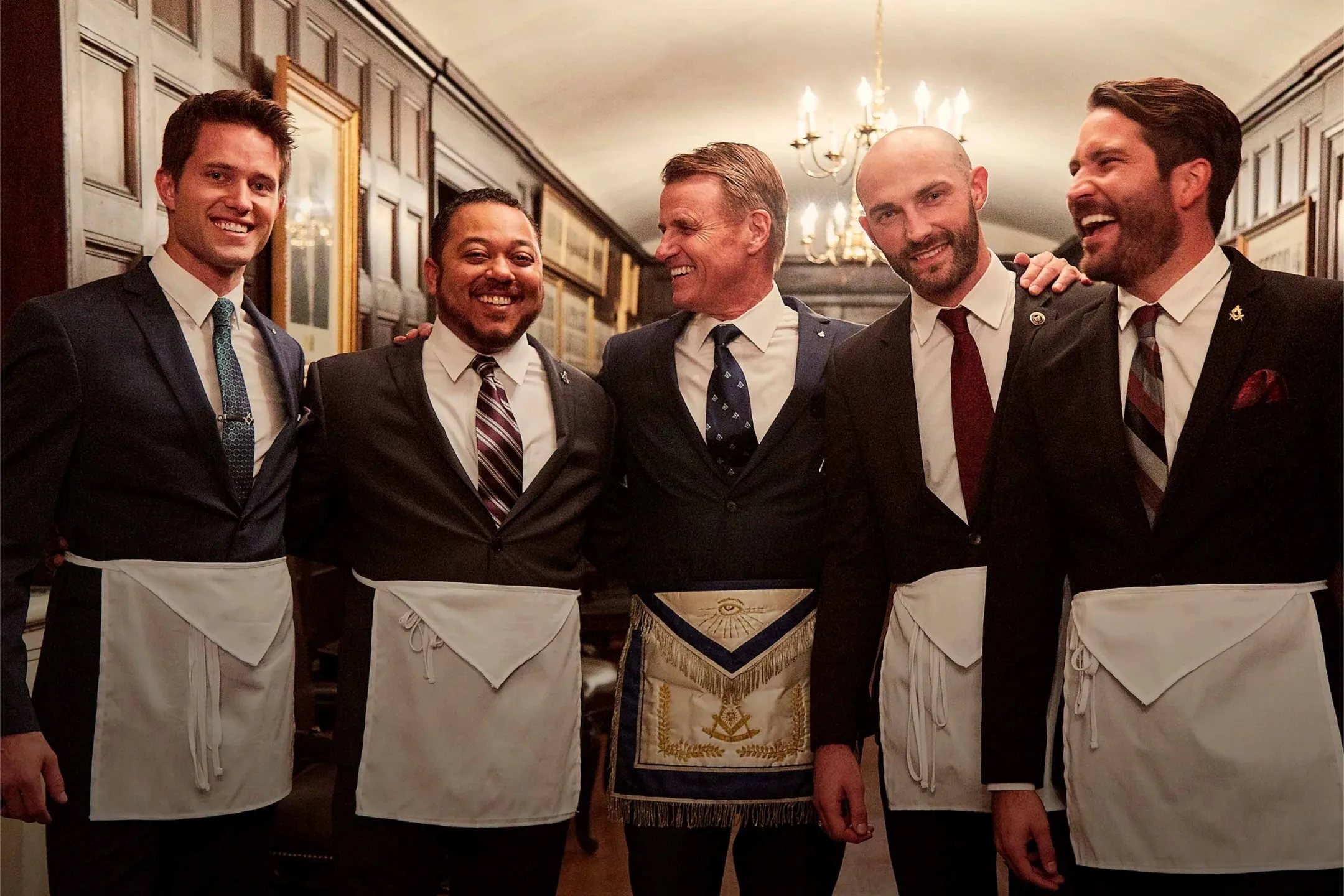
If you've ever wondered how to become a Freemason, you're not alone. Every year, thousands of people search for Masonic membership requirements to understand whether they qualify and what the joining process involves.
Freemasonry is one of the world's oldest fraternal organisations. Rather than being a religion or political movement, it is a society focused on personal development, moral values, charity, and fellowship. Members are encouraged to improve themselves while contributing positively to their communities.
Although each Grand Lodge governs its own jurisdiction, the core membership requirements are remarkably consistent across many jurisdictions. This guide explains the essential eligibility criteria, how applications are reviewed, and what prospective members should expect before taking the next step.
What are the basic Masonic membership requirements?
To become a Freemason, applicants generally must:
- Be at least 18 years old (or the minimum age required by the local Grand Lodge)
- Have good moral character
- Apply voluntarily
- Believe in a Supreme Being where required by the jurisdiction
- Be willing to learn Masonic principles
- Meet local lodge eligibility rules
- Receive approval through the lodge's voting process
Understanding Freemasonry
Freemasonry is built upon principles that encourage members to become better individuals through education, charity, integrity, and mutual respect. Rather than promising wealth or influence, Freemasonry focuses on lifelong learning and personal growth.
Members often participate in:
- Charity fundraising
- Community service
- Educational lectures
- Social events
- Leadership development
- Supporting fellow members
Its traditions date back centuries, yet modern Freemasonry continues to welcome people from diverse backgrounds who share common values.
Why Do Membership Requirements Exist?
Many people mistakenly believe Freemasonry is exclusive for the sake of secrecy. In reality, the membership process exists to ensure that every new member understands the organisation's values and is genuinely interested in contributing. The requirements help maintain:
- Integrity
- Trust
- Respect among members
- Commitment to charitable work
- Long-term participation
These standards also ensure that new members are joining for the right reasons rather than expecting financial, political, or business advantages.
The Essential Masonic Membership Requirements
Although requirements vary slightly between jurisdictions, most lodges expect applicants to satisfy several core criteria.
1. Minimum Age Requirement
Most Grand Lodges require applicants to be at least 18 years old, although some jurisdictions set the minimum age at 21. Some university lodges may have different age policies. Always check with your local Grand Lodge for the specific age requirement in your area.
2. Good Character
One of the most important Masonic membership requirements is demonstrating good moral character. Applicants should be known for qualities such as:
- Honesty
- Responsibility
- Respect for others
- Integrity
- Reliability
- Compassion
During the application process, lodge members may ask about your background, interests, and reasons for wanting to join. The emphasis is not on perfection but on sincerity and a willingness to uphold the organisation's values.
3. Joining Must Be Your Own Choice
Freemasonry follows an important tradition: a person must ask to become a Freemason. This means friends cannot pressure you into joining, family members cannot apply on your behalf, and employers should not influence your decision. Membership should always be a personal decision made freely and voluntarily.
4. Belief in a Supreme Being
Many regular Grand Lodges require applicants to express a belief in a Supreme Being. However, Freemasonry generally does not prescribe a particular religion. Members come from many different faiths, provided they meet the requirements of their jurisdiction. Religious discussions are typically avoided during lodge meetings to promote harmony among members.
5. Respect for the Law
Applicants are generally expected to be law-abiding citizens. Background discussions may include questions about criminal convictions or conduct that could conflict with the organisation's principles. Every application is considered individually according to the rules of the relevant Grand Lodge.
6. Financial Responsibility
Joining Freemasonry usually involves initiation fees, annual membership dues, and contributions toward lodge activities. Applicants should understand these commitments before applying, as membership fees vary considerably depending on the lodge and jurisdiction.
7. Commitment to Learning
Freemasonry is often described as a lifelong journey rather than a club you simply join. Members are encouraged to attend meetings regularly, learn Masonic traditions, participate in charitable work, build friendships, and continue personal development. Those who actively participate often gain the greatest value from membership.
How the Application Process Works
Although procedures differ slightly, the journey usually follows several stages:
- Initial enquiry — Contact a local lodge or Grand Lodge
- Informal meeting — Meet members and ask questions
- Application — Submit your membership form
- Investigation — Lodge members may speak with you
- Ballot — Members vote on your application
- Initiation — Successful applicants begin their Masonic journey
The process is designed to ensure both the applicant and the lodge feel the membership is a good fit.
What Happens During the Interview?
Many applicants worry about the interview stage. In reality, it is usually an informal conversation designed to help both sides become acquainted. Typical discussion topics include:
- Why you want to join
- Your interests
- Family background
- Career
- Understanding of Freemasonry
- Expectations
This conversation also gives you an opportunity to ask questions.
Common Reasons People Join Freemasonry
People become Freemasons for many different reasons. Some hope to:
- Meet new people
- Support charitable causes
- Improve leadership skills
- Develop confidence
- Learn history and traditions
- Build lifelong friendships
- Contribute to their communities
Most discover that the friendships formed through lodge membership become one of the greatest rewards.
Benefits of Becoming a Freemason
Although every member's experience is unique, common benefits include:
Personal Development
Members often improve their public speaking, leadership, confidence, organisation, and teamwork.
Lifelong Learning
Freemasonry encourages continuous education through lectures, ceremonies, and discussions focused on ethics, history, and symbolism.
Community Service
Many lodges actively support local charities, medical initiatives, educational programmes, disaster relief, and youth organisations. Members have opportunities to volunteer and make a positive impact in their communities.
Strong Friendships
Regular meetings, social events, and shared charitable work help members build lasting relationships with people from many professions and backgrounds.
A Sense of Belonging
For many individuals, Freemasonry provides a supportive environment where members encourage one another's personal growth while working toward common charitable goals.
How to Join Freemasons: 10 Essential Steps to Become a Member
July 24, 2026 · Membership
If you've ever wondered how to join Freemasons, you're certainly not alone. Thousands of people search each year to learn more about Freemasonry, its traditions, values, and membership process.
Despite centuries of history, Freemasonry remains one of the world's most misunderstood organisations. Many people mistakenly believe membership is by invitation only or reserved for wealthy or influential individuals. In reality, Freemasonry welcomes members from all walks of life who meet its membership requirements and share its core values.
Whether you're interested in personal development, lifelong friendships, charitable work, or becoming part of a respected fraternity, understanding how to join Freemasons is the first step.
What Are the Freemasons?
Freemasonry is one of the world's oldest and largest fraternal organisations. It is a society dedicated to moral development, friendship, charity, integrity, and personal growth. Rather than being a religion or political organisation, Freemasonry encourages members to become better individuals while contributing positively to their communities.
Today, millions of Freemasons belong to lodges across the globe. Members come from virtually every profession, including:
- Teachers
- Engineers
- Doctors
- Military personnel
- Police officers
- Business owners
- Students
- Tradespeople
- Retired professionals
Freemasonry welcomes individuals regardless of background or occupation, provided they meet the eligibility requirements.
The History of Freemasonry
Modern Freemasonry officially began in London in 1717, when four local lodges came together to establish the first Grand Lodge. However, its traditions trace back much further, to the medieval stonemasons who built Europe's great cathedrals and castles. These skilled craftsmen formed guilds that protected trade secrets, maintained high standards, and fostered mutual support.
Over time, Freemasonry evolved from an association of operative stonemasons into a speculative fraternity focused on ethics, philosophy, and self-improvement. Today, Freemasonry operates in more than 200 countries and territories, making it one of the world's most enduring organisations.
Freemasonry's Core Principles
Understanding the organisation's values is essential before learning how to join Freemasons. The fraternity is built upon several timeless principles.
Integrity
Members strive to act honestly, fairly, and ethically in both their personal and professional lives.
Friendship
Freemasonry creates lifelong friendships through shared experiences, regular meetings, and mutual respect.
Respect
Members are encouraged to respect people from different cultures, beliefs, and backgrounds.
Charity
Freemasons collectively donate millions each year to charitable causes, supporting healthcare, education, disaster relief, and local communities.
Self-Improvement
Freemasonry promotes lifelong learning, leadership, confidence, and personal responsibility.
How to Join Freemasons
Many people assume joining is difficult, but the process is straightforward.
Step 1: Learn About Freemasonry
Before applying, spend time researching Freemasonry and understanding its values. Read official resources, attend open days if available, and ask questions. Joining should be an informed decision rather than a spontaneous one.
Step 2: Ensure You Meet the Basic Requirements
Although requirements vary slightly between jurisdictions, applicants generally must:
- Be at least 18 years old (some lodges require 21)
- Be of good character
- Have a belief in a Supreme Being where required by that jurisdiction
- Join of their own free will
- Be willing to follow lodge rules
- Have a genuine interest in Freemasonry
Step 3: Contact Your Local Lodge
Most Grand Lodges allow prospective members to enquire online. After expressing your interest, someone from a local lodge will usually contact you to answer questions and explain the process.
Step 4: Meet Existing Members
You'll normally meet several members informally. This allows both you and the lodge to determine whether Freemasonry is a good fit. These meetings are relaxed conversations rather than formal interviews.
Step 5: Complete an Application
If both parties wish to proceed, you'll complete an application form. You may also provide references depending on your jurisdiction.
Step 6: Background Checks
Many lodges carry out reasonable checks to ensure applicants meet their standards of honesty and integrity.
Step 7: Lodge Vote
Members of the lodge vote confidentially on new applicants. This longstanding tradition helps maintain harmony within the lodge.
Step 8: Initiation Ceremony
Successful applicants are invited to participate in their first ceremonial meeting, known as an initiation. This marks the beginning of their journey in Freemasonry.
Membership Requirements
Although rules vary slightly worldwide, most jurisdictions expect applicants to satisfy the following:
- Minimum age — usually 18 or 21
- Good character — honest and law-abiding
- Personal choice — must apply voluntarily
- Financial responsibility — able to pay annual subscriptions
- Respect for others — demonstrates tolerance and integrity
- Commitment — willing to attend meetings regularly
What Happens During the Application Process?
The process is designed to ensure both the applicant and the lodge are comfortable moving forward. Typically, you can expect an initial conversation about why you're interested in joining, informal social meetings with members, careful review of your application, a private ballot, and — if accepted — an initiation in which you officially become an Entered Apprentice, the first degree in Freemasonry.
Common Myths About Joining Freemasons
Myth 1: You Must Be Invited
False. Most people join by expressing their own interest.
Myth 2: Freemasonry Is a Secret Society
False. Freemasonry is often described as a society with private traditions rather than a secret society. Many lodges openly share information about their history, charitable work, and membership process.
Myth 3: Only Wealthy People Can Join
False. Members come from every economic background. Although there are membership fees, Freemasonry is not reserved for the wealthy.
Myth 4: Freemasons Control Politics
False. Freemasonry prohibits political discussion during lodge meetings and encourages members to form their own independent views.
Myth 5: Freemasonry Is a Religion
False. Freemasonry is not a religion and does not replace a member's faith. Members are encouraged to practise their own religion or personal beliefs according to their conscience.
Key Takeaways
If you're wondering how to join Freemasons, remember these essential points:
- Anyone meeting the eligibility requirements may enquire about joining
- Membership is voluntary
- Good character matters more than profession or social status
- The application process is respectful and transparent
- Freemasonry focuses on friendship, charity, integrity, and personal development
Freemason Membership Eligibility: 10 Essential Requirements
July 23, 2026 · Membership
If you're interested in becoming a Freemason, one of the first questions you'll probably ask is: what are the Freemason membership eligibility requirements? While Freemasonry has a long history dating back centuries, its membership process is more open and transparent than many people realise.
Contrary to popular myths, becoming a Freemason is not about wealth, social status, or political influence. Instead, lodges seek individuals who demonstrate integrity, good character, respect for others, and a genuine desire for personal growth and community service.
This guide explains everything you need to know about Freemason membership eligibility — from age requirements and moral qualifications to religious considerations, costs, and the application process.
What Is Freemason Membership Eligibility?
Freemason membership eligibility refers to the qualifications an individual must meet before they can be accepted into a Masonic lodge. Although requirements vary slightly between jurisdictions, the fundamental principles remain broadly consistent.
Rather than focusing on education, income, profession, or social standing, Freemasonry places greater emphasis on personal character, honesty, integrity, and a willingness to contribute positively to society. Membership is based on free choice — no one should feel pressured to join, and applicants are expected to seek membership because they genuinely wish to become part of the fraternity.
Who Can Become a Freemason?
One of the biggest misconceptions is that only certain professions or influential individuals can become Freemasons. In reality, Freemasonry welcomes people from many different backgrounds, including:
- Teachers
- Doctors
- Nurses
- Engineers
- Builders
- Police officers
- Military personnel
- Business owners
- Students
- Tradespeople
- Civil servants
- Retired professionals
Freemasonry values diversity of experience and encourages applicants from all walks of life who meet its eligibility requirements.
Basic Freemason Membership Eligibility Requirements
While exact rules differ between Grand Lodges, applicants generally need to satisfy several core requirements.
1. Minimum Age Requirement
Most lodges require applicants to be at least 18 years old. Some jurisdictions require applicants to be 21, although many have lowered their minimum age to encourage younger members. Always check the specific requirements of the Grand Lodge you intend to join.
2. Good Character
Perhaps the most important eligibility requirement is good moral character. Freemasonry encourages members to live ethical, honest, and responsible lives. Lodges will generally look for individuals who demonstrate honesty, integrity, respect for others, responsibility, reliability, and good judgement. Minor mistakes in the past do not automatically prevent someone from joining — however, applicants should be truthful during the application process.
3. Joining of Your Own Free Will
Freemasonry places significant importance on voluntary membership. Applicants should never feel pressured by family, friends, employers, or existing members. Instead, every candidate should join because they genuinely want to become part of the fraternity.
4. Belief Requirements
Many regular Masonic jurisdictions require candidates to profess a belief in a Supreme Being. However, Freemasonry is not a religion and does not favour one faith over another. Members may come from many religious backgrounds, provided they meet the requirements of their jurisdiction. Different Grand Lodges may have different policies, so it is advisable to confirm local requirements before applying.
5. Respect for Others
Freemasonry promotes harmony and mutual respect. Applicants should be willing to respect differing opinions, treat others fairly, support fellow members, contribute positively to lodge activities, and maintain confidentiality where appropriate.
Character Matters More Than Status
Many people assume successful applicants are wealthy or influential. This simply isn't true. Freemasonry places far greater value on personal integrity than professional success — members are expected to treat one another as equals inside the lodge, regardless of occupation.
Does Your Occupation Affect Eligibility?
In most cases, no. People from almost every legitimate profession may become Freemasons — teachers, doctors, electricians, accountants, engineers, business owners, retirees, and students alike. Certain occupations may be subject to employer-specific rules or disclosure requirements, but these are not generally imposed by Freemasonry itself.
Residency Requirements
Many prospective members ask whether they must live in a particular area. Generally, applicants should live within reasonable travelling distance of their chosen lodge, be able to attend meetings regularly, and meet any residency expectations set by the local Grand Lodge. Some lodges also welcome overseas residents or individuals relocating to the area.
Financial Eligibility
Freemasonry is a charitable organisation, but membership does involve financial commitments. Applicants should be able to afford joining fees, annual subscriptions, dining costs after meetings where applicable, and voluntary charity donations. These costs vary considerably depending on the lodge and location. Importantly, inability to make large charitable donations does not prevent someone from becoming a Freemason.
Personal Qualities Lodges Value
Although every lodge is different, successful applicants often demonstrate honesty, reliability, respect, kindness, patience, curiosity, commitment, community spirit, willingness to learn, and open-mindedness. These qualities help strengthen the lodge and contribute to a positive membership experience.
How the Membership Application Works
Step 1: Express Your Interest
Contact a local lodge or the relevant Grand Lodge to enquire about membership. Many organisations now offer online enquiry forms.
Step 2: Informal Meeting
You'll usually meet several members for an informal conversation — an opportunity for both parties to ask questions.
Step 3: Submit an Application
If everyone agrees to proceed, you'll complete a formal application. Some lodges may ask for references.
Step 4: Interview
Some lodges conduct a friendly interview to learn more about your background and motivations. This isn't designed to intimidate applicants but rather to ensure they understand Freemasonry's values.
Step 5: Ballot
Members of the lodge vote privately on new applications. This longstanding tradition helps preserve harmony within the lodge.
Step 6: Initiation
Successful applicants are invited to participate in an initiation ceremony, becoming an Entered Apprentice — the first stage of Freemasonry.
Reasons an Application May Be Declined
Although most genuine applicants are treated fairly, membership isn't guaranteed. Possible reasons include an incomplete application, dishonesty during the process, poor references where required, a lack of understanding about Freemasonry, behaviour inconsistent with Masonic values, or failure to meet local eligibility requirements. Being declined by one lodge does not necessarily prevent someone from applying elsewhere or reapplying later, depending on the circumstances.
Common Myths About Freemason Membership Eligibility
Myth: You Must Be Rich
False. Freemasons come from many financial backgrounds. Membership is based on character, not wealth.
Myth: You Must Be Invited
False. Most applicants contact a lodge themselves.
Myth: Freemasonry Is a Religion
False. Freemasonry is a fraternal organisation and does not replace or promote a particular religion.
Myth: Only Older Men Can Join
False. Many lodges actively encourage younger adults to become members, provided they meet the age requirement.
Quick Summary
If you're wondering whether you meet Freemason membership eligibility requirements, the key points are:
- Be at least 18 years old (subject to local rules)
- Apply voluntarily
- Demonstrate good character and integrity
- Be willing to respect others and participate in lodge life
- Meet any jurisdiction-specific requirements, such as belief in a Supreme Being where applicable
- Be able to pay membership fees and attend meetings regularly
The History of Freemasonry in New York State
July 11, 2026 · History
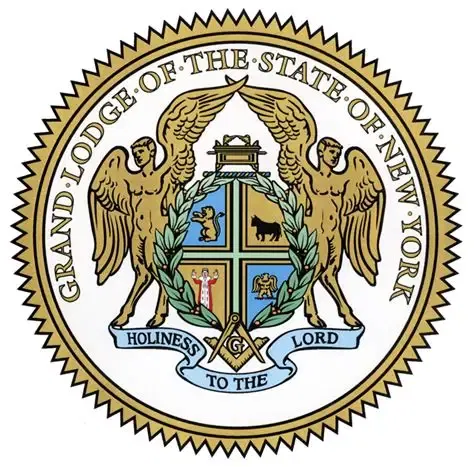
Freemasonry arrived in New York with the colony's earliest merchants, soldiers, and tradesmen, and the Grand Lodge of the State of New York was constituted in 1781, during the final years of the Revolutionary War. From that founding, the fraternity grew alongside the state itself, chartering Lodges first around the port of Manhattan and then, over the following century, up the Hudson Valley, across the Mohawk Valley, and into every corner of the Empire State.
Today's Grand Lodge carries that same structure forward: a body of Lodges stretching from Manhattan to the Mohawk Valley, united by the same principles that guided the fraternity's founders in 1781.